

2025-09-03
Intelligent building projectI. Project Background
A large modern building in Beijing has implemented a comprehensive upgr™ade of its intelligent building system to enhance its operational management efficiency and→ ensure the safety of personnel and assets. As the core of buildi≈ng safety, the real-time, accuracy and reliability÷ of the condition monitoring of the fire protection system ar•e of vital importance. The fire protection system of this building i s large-scale, with approximately 9,000 monitoring points, including smoke detectors, temperature detectors, manual alarm buttons, fire pump statu™s sensors, pressure sensors and other types of equipment.
Ii. Core Challenges
1. Data silo issue: Traditional fire protection systems operate independently, and their§ alarm and status information cannot be obtained in real time by the building ma£nagement platform (BMS/BAS), forming information silos and making it difficult to achievαe cross-system linkage (such as linkage of elevators, access control systems, air conditioners, etc©. during a fire).
2. Real-time processing of massive data: 9,000 monitoring points generate massive status data ∑every second. Especially in the event of a fire, even millisecond-level alarm delays can lead to diΩsastrous consequences. The traditional data collection methods cannot meet such high-perforδmance requirements.
3. The system reliability requirements are extremely high: The fire protection system is a lifeline system and must op±erate stably without interruption for 7x24 hours. Any da↕ta loss or communication interruption is unacceptable.
4. Complexity of protocol conversion: Fire protection equipment may come from different manufactur∞ers and have diverse communication protocols (such as Modbus, BAπCnet, CAN, etc.). It is necessary to uniformly convert them and integrate them into the intel↔ligent building platform based on standard protocols (such as OPC UA, MQTT, HTTP, etc.).
Iii. Solutions
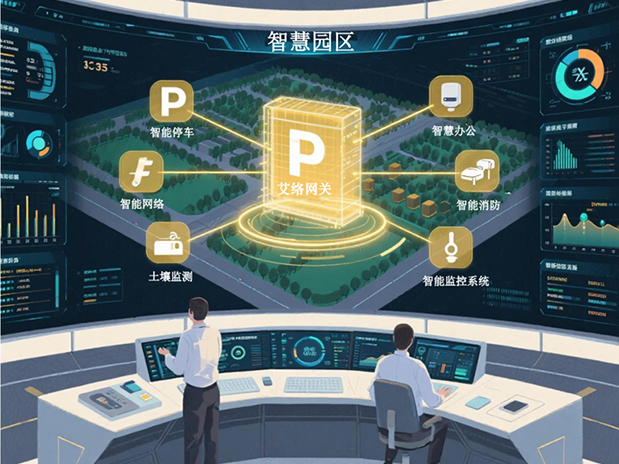
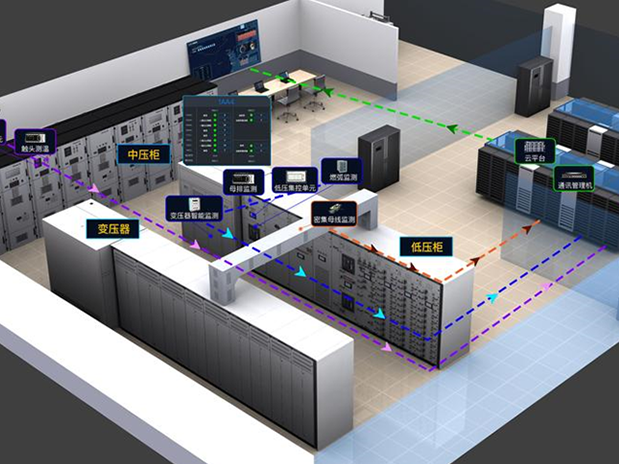
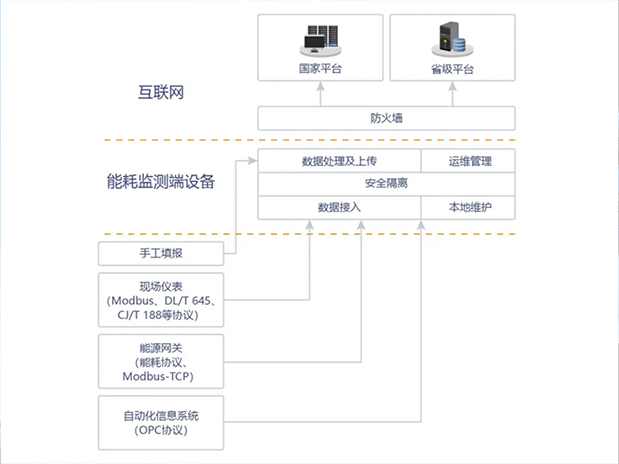
In this project, the Ailuo Gateway AN-G8A model is adopted as the "nerve center" and "protocol♣ translator" connecting the fire protection system with the intelligent b≤uilding system. It is deployed in the fire control center and directly connected to the ouεtput terminal of the fire control host or each fire c☆ontrol module through multiple interfaces (such as RS-485, Ethern₩et, etc.).
Iv. Work Process
1. Centralized collection: The AN-G8A gateway actively and concurrently polls and collects real-time operat£ional status data from 9,000 monitoring points in the fire protectio↑n system.
2. Millisecond-level response: The gateway is equipped with an efficient data processing engine to priγoritize the processing of fire alarm information. Once an alarm signal i≥s detected, immediately interrupt the regular polling and process the information w£ith the highest priority.
3. Real-time transmission: The processed alarm information is pushed to the central moni₽toring platform of the intelligent building system within 3 00 milliseconds through the building's local area network using standard protocols (such as MQTT for low-latency publication/subscription), and triggers sound a↔nd light prompts, pop-up Windows, and map positionin₩g on the real-time alarm interface.
4. Data Persistence: While transmitting alarm information, the gateway →synchronously writes the complete alarm information (including ®time, location, type, value, etc.) to the background database (such as SQL database or¥ time series database), providing a reliable data foundation for event traceab¥ility, report generation, and statistical analysis.
5. Status Monitoring: During non-alarm periods, the gateway continuously uploads the normal/fault status of each devi¶ce, helping managers identify potential hazards in advance and achi♥eve preventive maintenance.
In the intelligent building project of this building, ±the practical significance of the Airlo gateway AN-G8A far exceeds the λhardware itself. It is the cornerstone of system integratβion, the guarantee of ultimate speed, the embodiment of edge intelligence, and thσe discoverer of data value. Through its stable and reliable operation, this™ project not only achieves transparent monitoring of the s£tatus of the fire protection system, but also deeply integrates fire safety into the intelligen♠t management of the building, building a modern smart safety building model that responds faster€, manages more efficiently, and prevents more proactively. This fully demonstrates the huge value $of Internet of Things technology in enhancing the level of public safety.